Together, we care.
Family-Centric Chronic Disease Management system designed to support both patients and their families holistically.

OVERVIEW
Carecircle is my Master's research project that explores the design of a Family-Centric Chronic Disease Management system.
The research aims to establish a comprehensive framework that integrates patient and family needs to enhance health outcomes and overall quality of life.
PROBLEM STATEMENT I IDENTIFIED

Have you ever considered how chronic illness diagnosis can impact the whole family?
Chronic diseases have emerged as one of the most pressing public health challenges in India, impacting more than 40% of the adult population. Conditions such as diabetes, hypertension, and cardiovascular diseases are not only widespread but also place a significant emotional, financial, and logistical burden on individuals and their families.
For many, navigating the complexities of long-term disease management is a fragmented and often overwhelming experience, marked by trial and error, and a lack of coordinated support.
This growing crisis demands a shift from isolated treatment approaches to integrated, patient - family centred care models that recognize the pivotal role families play in ongoing disease management.
There is a critical need for a solution that bridges the gap between medical systems and everyday life, empowering both patients and their support networks with the tools, knowledge, and resources needed for sustained health and well-being.

Setting the scene

Meet Nikita Sharma, a 30-year-old diagnosed with melanoma cancer in 2023. She is currently undergoing chemotherapy.
Let’s see how Nikita is getting onboarded to the Carecircle Platform

The quality of life of family members, as well as of patients, can be hugely reduced in terms of physical effects, psychological distress, and social problems.
Picture a world where managing chronic conditions is not a journey of trial and error but rather a collaborative effort guided by precision and care. This is a world where the entire family has access to tailored support and resources that help them on their way to a healthy life.
my design process
Research & Empathy
User interview
Desk research
Research Synthesis
Define
Emerging themes
Card Sorting
Information Architecture
Ideate
Wireframes
User Flow
Interface
research
“What are the experiences and coping strategies adopted by families, as they manage chronic illness of their loved ones?”
who is the user
User type: Patient and family members
Health status: Chronic diseased
Targeted Audience: middle and lower income families navigating long-term illness in complex social settings.
Age Group: 15-65 years
Profession: Student/ Professional/ Retired
what were the research methods used
User Interviews
Desk Research
research GOAL
The research investigates a range of factors: including emotional impact, daily routines, family dynamics, sleep and overall health, holidays, medical support and care, employment and education, financial implications and social life, in order to gain a deeper understanding of the challenges faced by both caregivers and patients.
MY PROCESS
research planning
Research Questions
Timeline
Research Proposal
primary research
User Interview with patients and their family members
Secondary research
Desk Research
Interface + Design Research
Analysis
Themes Mapping
Card Sorting
PRIMARY RESEARCH
The primary research consists of qualitative methods to answer questions around real-life experiences, perceptions, and emotions of patients with chronic diseases and their family members.
User interview with family members who provide ongoing care for a chronically ill relative
To build stronger connections with users and uncover nuanced experiences, I designed a semi-structured questionnaire. This allows for open-ended questions, fostering richer narratives beyond pre-defined options.
areas of investigation
Emotional impact: Exploring how living with an ill family member affects emotions and day-to-day feelings.
Coping mechanisms: Understanding personal strategies and support systems used to manage stress and emotions.
Behavioural changes: Examining how emotions influence activities, routines, and daily choices.
Social life: Investigating the effect of the relative’s condition on friendships, social interactions, and leisure activities.
Family dynamics: Assessing changes in family roles, responsibilities, and intra-family relationships.
Financial impact: Identifying extra expenses, financial stress, and employment challenges related to caregiving.
Physical health: Evaluating effects on sleep, diet, and overall well-being of family members.
Support systems: Discussing the role of community, counselling, or online platforms in providing emotional and practical help.
Healthcare relations: Considering whether continuous support from a family doctor could ease caregiving challenges.
Overall reflections: Encouraging participants to share additional insights or experiences not covered in earlier questions.

Documentation
findings

“
You go through sort of like fear, anger the life that you had, you’ll never have back because in the back of your mind there’s always that worry of “Is it going to come back?”
I was living off 2 or 3 hours sleep a night and this was for 18 months and in the end even antidepressants don’t help just total anxiety all the time.
Getting on a plane where you know your child will disturb other passengers and where she needs the toilet lots up and down the alleyway it’s that embarrassment and fear.
”
Family members feel upset, annoyed, helpless, stressed, and lonely, often finding it difficult to identify someone they can openly talk to about these emotions.
They express that going on holidays or taking breaks is nearly impossible, as the patient’s health condition, frequent hospital appointments, or concerns about food and care abroad restrict such opportunities.
Many family members shared that others rarely understand what they are going through; feelings of embarrassment or lack of knowledge often make it hard for them to talk about the patient’s illness.
They reported facing financial challenges and social limitations, such as having to leave gatherings early or avoiding them altogether.
Sleep deprivation emerged as a major concern, often caused by persistent worry or the need to wake up during the night to assist the patient with personal hygiene or medication. Some family members also described waking up frequently to check whether the patient was still alive.
User interview with patients who are chronically ill
To build stronger connections with users and uncover nuanced experiences, I designed a semi-structured questionnaire. This allows for open-ended questions, fostering richer narratives beyond pre-defined options.
areas of investigation
Personal background: Understanding how patients describe their chronic disease and its personal significance.
Daily life impact: Examining how the condition influences daily routines, activities, and overall lifestyle.
Healthcare engagement: Assessing how often patients interact with medical professionals and the quality of those relationships.
Emotional well-being: Investigating how the condition affects mood, emotional stability, and mental health.
Coping strategies: Identifying how individuals manage emotional and physical challenges related to their illness.
Social support: Evaluating the role of family, friends, and the community in providing emotional and practical assistance.
Social interaction: Understanding feelings of isolation, stigma, or social judgment experienced by patients.
Open reflections: Encouraging participants to share additional thoughts, experiences, or recommendations for improved care.

Documentation
findings

“
I’m angry at the this illness for taking so much away from me. It’s frustrating to miss out on things I used to enjoy.
On good days, I feel like I can manage this illness. But on bad days, I feel like I’m never going to get better.
I had to cut back on my class hours, it felt like my whole future is uncertain
”
Patients often describe feeling restricted by their condition, with persistent pain and fatigue leading to hopelessness and depression.
Patients highlight that psychosocial factors, such as strained partner relationships, sexual health concerns, body image issues, and less adaptive coping strategies, greatly impact their emotional wellbeing.
Dependence on others for daily tasks creates a sense of lost independence and diminished self-esteem.
Patients express concern about how others, especially strangers, react to visible signs of their illness, which often heightens feelings of self-consciousness or shame.
Physical limitations, fatigue, and unpredictable flare-ups make social participation difficult, resulting in isolation and loneliness.
Chronic illness frequently affects work and education, forcing individuals to reduce hours, change careers, or give up certain ambitions.
Many patients express a deep fear of “falling behind” others — a longing to feel normal and to keep up with peers despite their illness.
findings
Comprehensive primary care led by family doctors is linked with lower mortality, fewer hospitalizations, and increased life expectancy.
Long-term relationships with a family doctor further decrease emergency care use, hospital admissions, and overall mortality, with reductions of up to 25-30% in some studies.
Family doctors provide personal, continuous care, tracking patients’ histories and context over time, which is essential for accurate diagnoses and tailored treatment plans.
Continuity fosters trust and enables a deeper understanding of psychosocial, cultural, and hereditary factors in health, improving care for complex and chronic conditions. Patients with a regular family doctor report higher satisfaction, feel more empowered, and experience more patient-centred consultations.
The personal relationship with a family doctor enhances communication, encourages preventive care, and builds trust, all of which contribute to better self-reported health.
As interviews with patients and their families progressed, the focus expanded to explore the significance of having a family doctor, since many families expressed a desire for one.

research goals - desk research
Investigate how family doctors enhance access to health care and reduce barriers for patients.
How important is continuity of care for users' sense of well-being?
Evaluate improvements in preventive care, early detection, and management of chronic diseases through continuity with a family physician.
Study the impact of family doctors on overall health outcomes, including hospital readmissions and health cost reductions.
Understand how connectedness to a family doctor influences patient adherence to preventive screening and chronic disease management.
Measure patient satisfaction and the development of long-term therapeutic relationships with family doctors.
Diagnosed with breast cancer 2 years ago.
Underwent surgery and completed treatment (chemotherapy/radiation).
Experiences fatigue and occasional pain.
Worries about recurrence.
Born with a limb length discrepancy (one leg is shorter than the other).
Uses a lift in his shoe
Experiences occasional pain and fatigue.
Underwent surgery 2 years ago and completed treatment
Diagnosed with Type 1 Diabetes at age 10.
Manages his condition with insulin injections, diet, and exercise.
Occasionally experiences blood sugar fluctuations.


RICHA,
64 years old
Breast Cancer Survivor
Diabetes
Limb Length Discrepancy
MOHIT,
30 years old
RAHUL,
15 years old
emerging themes

Destinations, accommodations & activities that cater to the patient's needs
Travel Planner

Doctors
Find doctors who can potentially become their family doctors
Advice

People who can advice on matters of diets, exercises, nutritionist and physiotherapy
Medical Expense Tracker

Help family to document all the expenses in one place
Support Group matching

Connect families online or in-person support groups based on diagnosis - support groups for both family members and patient.
Advocacy

Providing guidance and resources on navigating conversations about chronic illness
Find the right tutor for the patient
Home Tutors

Find caregivers who could help out the family
Caretakers


Core Stakeholder
Frequent Stakeholder
Occasional Stakeholder
Patient
Doctors and Medical Professionals
Travel Agencies
Home Tutors
Therapists
Social Workers
Spouses/Partners
Children
From analysing the themes, it became clear that numerous stakeholders are involved. The project's impact could be significantly enhanced by developing applications that address the needs of each stakeholder group.

Stakeholders
card sorting
To understand the user's mental model, I conducted a card sorting exercise.
The card sorting activity conducted was a closed card sorting. The groups formed included travel planning, finding doctors, finding caretakers, medical expense tracking, support groups, guidance, tutors, and advisors.
card sorting process
Initial Phase
Create content inventory
Pilot test
Mid Phase
Revise inventory
Invite Participants
Implementation
Conduct Exercise


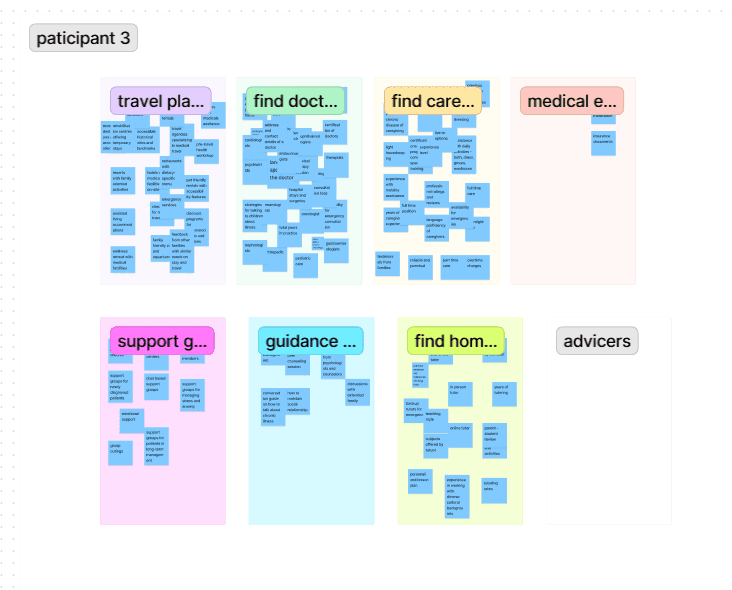

VIEW INVENTORY
card sorting ANALYSIS

Two categories were analyzed
Participant dendrogram
Item X Item dendogram

As you can see, many clusters have been formed, indicating that users understood the cards and categorized them similarly, which also showcases in the participant dendrogram.
INFORMATION ARCHITECTURE

Saved
List of saved doctors
List of saved caretakers
List of Tutors
List of Support groups
List of Destinations
Family
Advocacy
Tutors
Vacation
Advice
Documents
Exercise
Dietary Plans
Doctors
Search
Search
Search
Search
Patient
Family
Top Specialists
Tutors around
Around You
Just for you
Just for you
Just for you
Caretakers
Support
Vaccination
Treatment
Patient
Age
Calender View of all upcoming vaccination and prev. vaccination
Calender View of all upcoming treatment and prev. treatment
Around user
Around user
Around user
Personalized search
Personalized search
Personalized search
How are they related
Videos on how to communication / dealing with everyday conversation
Based on the type of chronic disease, curated list of exercises will be recommended
Name of the document
Upload the document
Based on the type of chronic disease, curated list of dietary plans will be recommended
Age
Type of chronic disease
Prev. Caretakers
Prev. Doctors
Prev. Tutors
Compare Doctors
Compare Caretakers
Compare Tutors
Compare Support Groups
Compare Destinations
Notification
Profile
Search
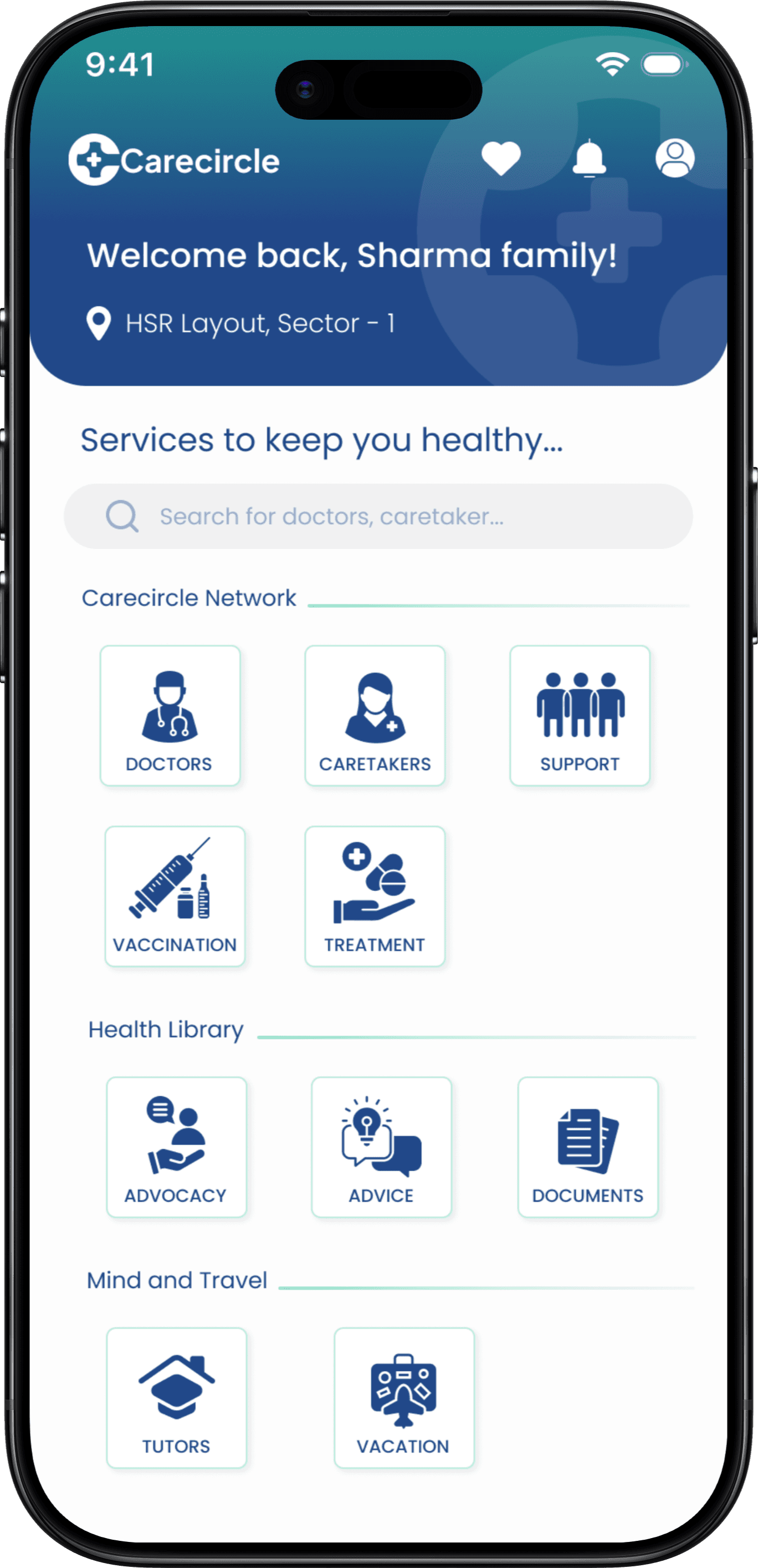
Carecircle network
Health Library
Mind & Travel
Home Page

Onboarding Patients & Family Members


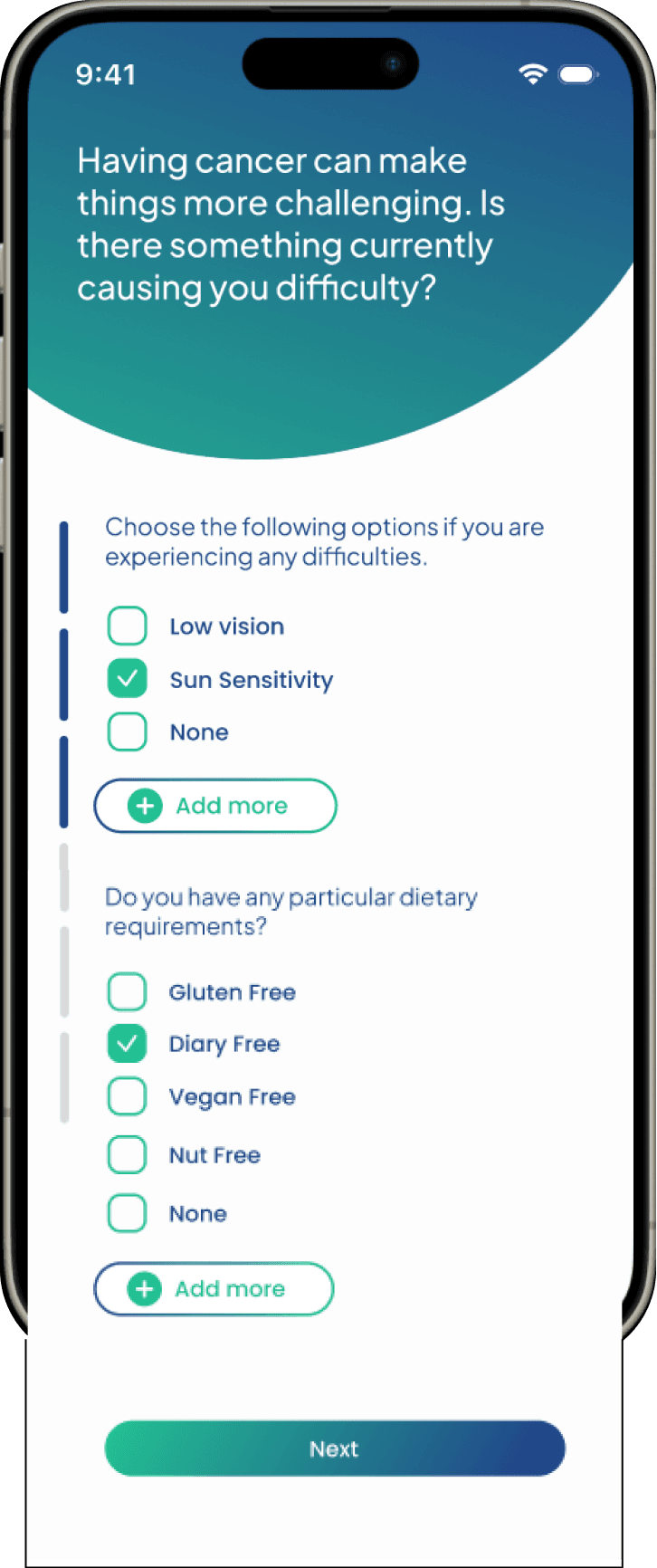
Status of the onboarding
Taking in basic information about their chronic illness
The questions get personalized as they answer prev. questions
This information helps us curating their destinations


This information helps us curate better support groups
Understanding the family and their health as they are also involved in this journey
Home Page

The entire support system
The entire health library
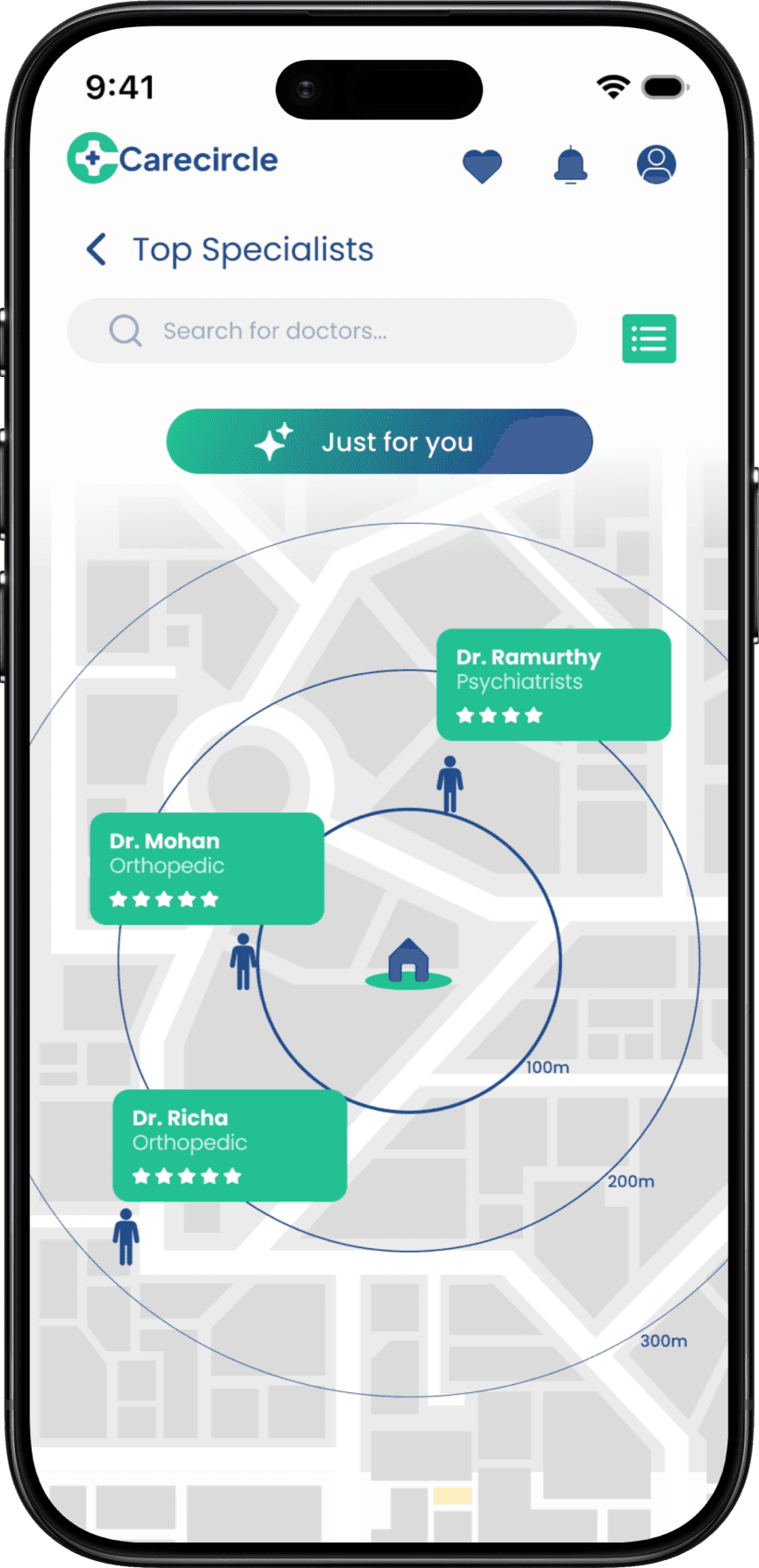
Additional features to increase quality of life
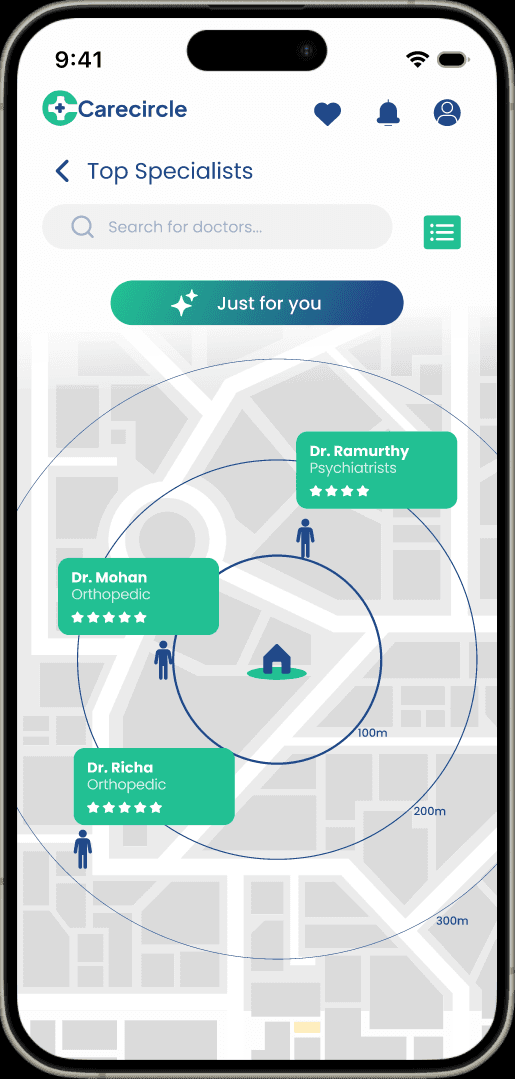
User can either view in list or map
User can further personalize their search
Proximity of far doctors are from the user


Find Doctors - Just for you
Based on the data provided by users on the onboarding process, possible destinations get curated
Support groups for both patients and family

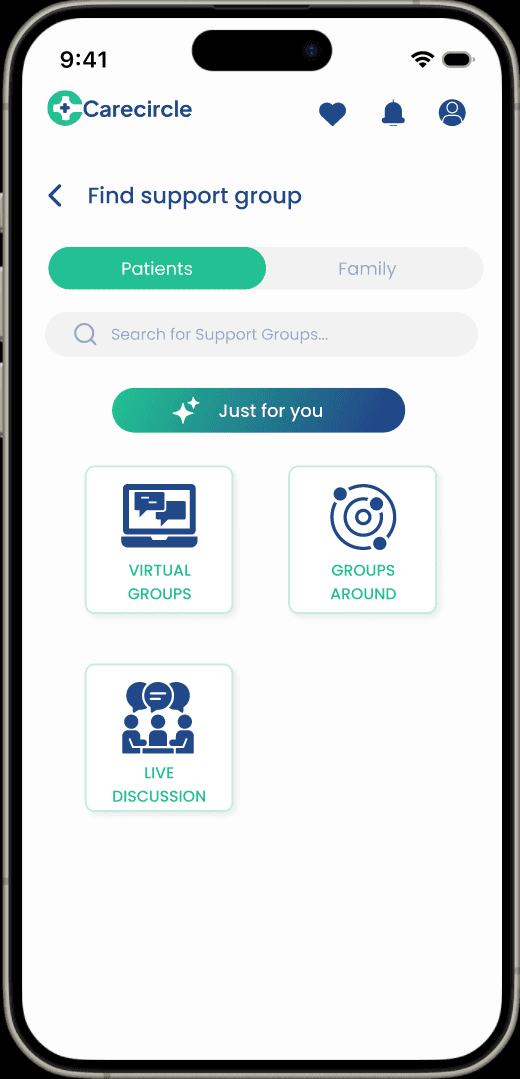
Vacation and Support Groups
Reflection
The project taught me to navigate the complexities of the healthcare industry, where I learned not only about the technical aspects but also developed the art of having meaningful and sensitive conversations with people and patients about their delicate chronic diseases; encouraging them to open up about their situations proved to be quite challenging, yet I discovered new ways to ensure they felt comfortable, respected, and truly heard throughout the process .
Lastly, throughout the process, I learned to take peer and user feedback, and guidance from Professors and Industry experts, towards building a complete product.